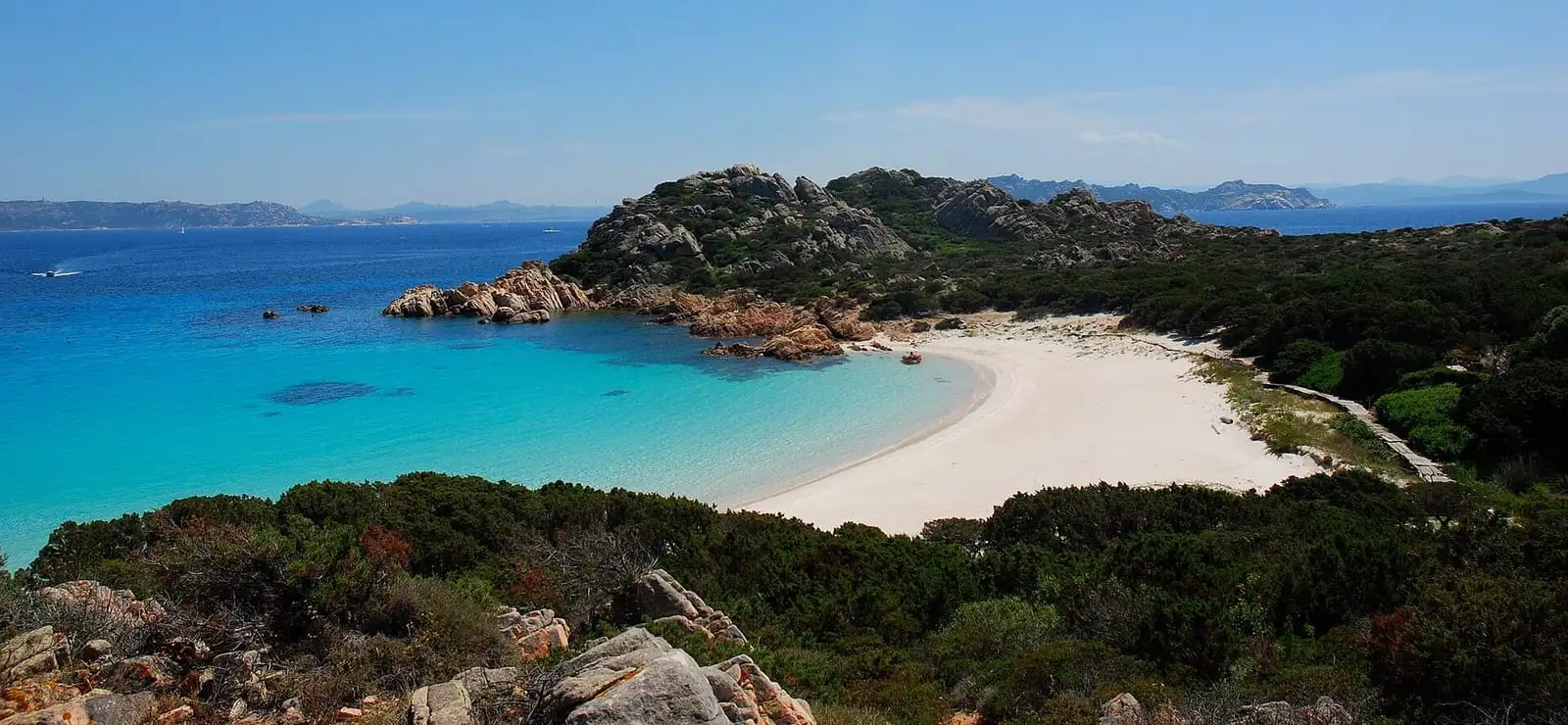
The Maddalena Archipelago is a cluster of 62 islands and rocks in the Bocche di Bonifacio (the Strait of Bonifacio), lying between north-east Sardinia and Corsica. Since 1994 the whole of it has been the Parco Nazionale dell’Arcipelago di La Maddalena: roughly 5,100 hectares of land and 15,000 of sea, and the only Italian national park that covers an entire archipelago.
For a visitor the park means two things. First, firm rules about where you may land, anchor and walk. Second, a fleet of boat tours that keep to those rules on your behalf. This page covers both, with pointers to the park authority’s own site, lamaddalenapark.it.
The islands of the park
| Island | Area | What sets it apart | How you see it |
|---|---|---|---|
| La Maddalena | about 20 km² | The town, the ferry harbour, the ring road, Guardia Vecchia | Ferry from Palau, then car, bike or bus |
| Caprera | about 15.7 km² | Compendio Garibaldino, Monte Tejalone (212 m), Cala Coticcio | By car over the Passo della Moneta |
| Spargi | about 4.2 km² | Wind-carved granite, Cala Corsara and its four small beaches | Boat only, the classic swim stop |
| Budelli | about 1.6 km² | Spiaggia Rosa (zone A), Cavaliere, Cala di Roto | By boat; landing only at Cavaliere or Cala di Roto |
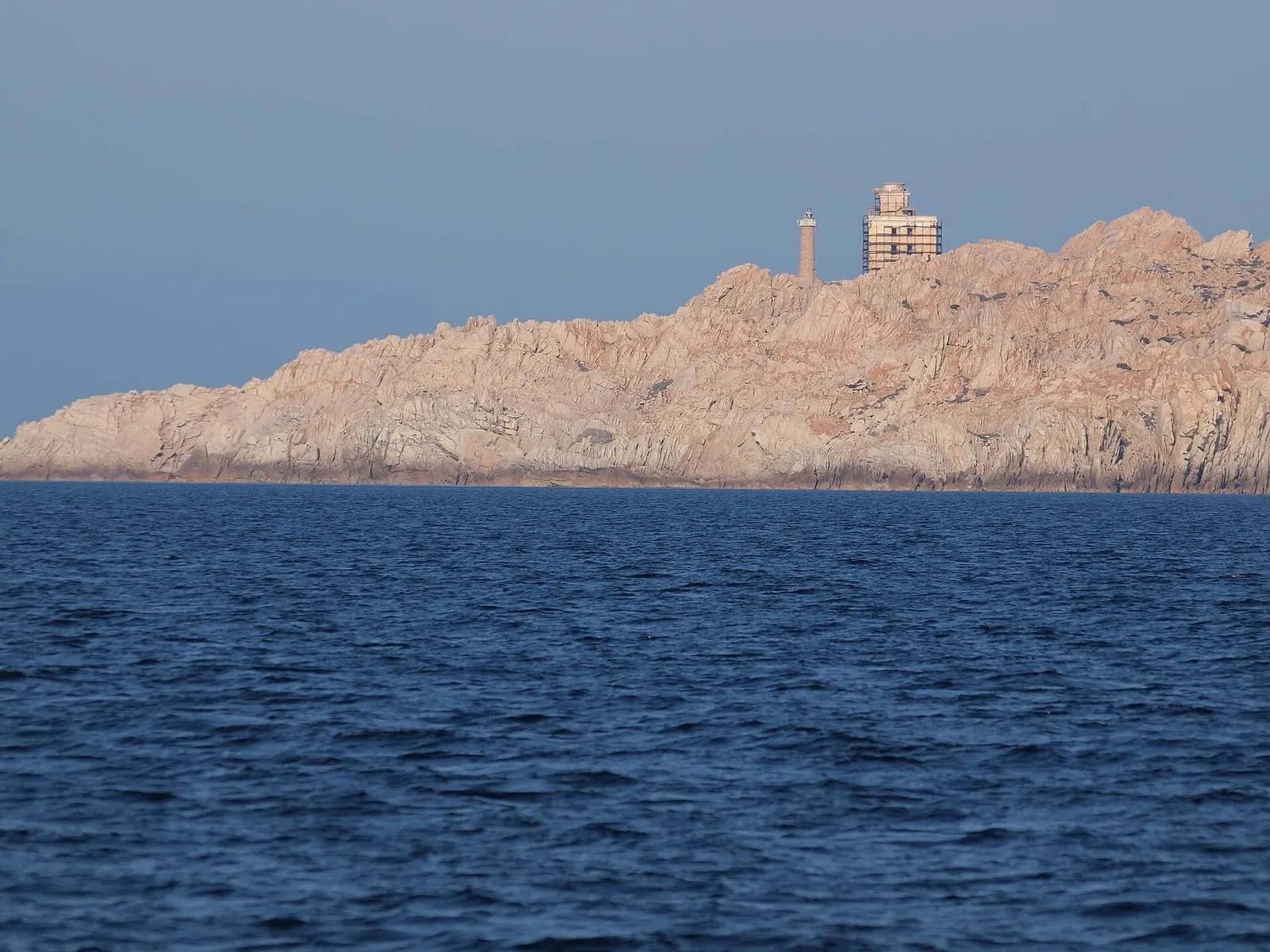
| Santa Maria | about 2 km² | A long white beach, the Punta Filetto lighthouse | By boat, a frequent swim stop |
| Razzoli | about 1.5 km² | Cliff-top lighthouse, Cala Lunga, strong currents | By boat, when the sea allows |
| Santo Stefano | about 3 km² | Former US submarine base (1972–2008), Cala Villamarina | By boat, often the last stop from Palau |
Between Budelli, Razzoli and Santa Maria lie the shallows of Porto della Madonna, also called the piscine naturali or Manto della Madonna: the most photographed swim stop in the whole park. Outlying islets belong to the park too, among them Barrettini, the Isole Bisce, the Cappuccini and Mortorio, out near Porto Cervo. Full profiles are in our guide to the islands.
How the park came about, 1994 to today
The Parco Nazionale dell’Arcipelago di La Maddalena was created by law no. 10 of 4 January 1994 and became operative with a presidential decree in 1996. It is run by the Ente Parco Nazionale dell’Arcipelago di La Maddalena, based on the main island.
The push came from Spiaggia Rosa on Budelli. Decades of sand carried off by the handful and by the bagful had faded the pink colour, which comes from fragments of the foraminifer Miniacina miniacea along with broken coral and shell. The landing ban on that beach dates from 1994 as well, and it has been tightened several times since.
Before the park, the archipelago was above all a military place: Nelson’s fleet lay at anchor here between 1803 and 1805, the Italian navy had a base in La Maddalena, and the Americans held Santo Stefano until 2008. A good deal of this coast survived intact precisely because it stayed out of bounds for so long.
The park zones
The park authority applies three levels of protection. What matters to a visitor is this:
- Zone A, integral reserve: closed to everyone. It takes in Spiaggia Rosa on Budelli, several islets and parts of Razzoli. Boats pass by at a distance.
- Intermediate zones: navigation, stopping and swimming allowed within limits, using the mooring buoys, never anchoring on seagrass, keeping speed down near the shore.
- Lightly protected zones: the areas around the town, the harbours and the beaches served by road.
The park publishes up-to-date maps of the zone boundaries. Read them before you enter in your own boat, because boundaries at sea are nothing like as obvious as boundaries on land.
The rules you need to know
Everything below is set by the Parco Nazionale dell’Arcipelago di La Maddalena.
Navigation permits
Anyone entering the park in a private or rented boat needs a navigation permit, valid for a day or longer, priced according to the length of the boat. You buy it online from the park’s site. Tour operators hold authorisations of their own, so as a passenger you have nothing to arrange, though several listings do ask for a small per-person “park” or “landing” contribution in cash at check-in. One Santa Teresa Gallura listing quotes €5 per person. Always read the “Not included” section of your listing.
Spiaggia Rosa
Landing, swimming and walking have been banned since 1994. To see the Pink Beach close up you land at Cala di Roto or Spiaggia del Cavaliere and follow the marked path to a fenced viewpoint. Our page on Spiaggia Rosa sets out which tours pass it and which side of the boat to sit on.
Cala Coticcio
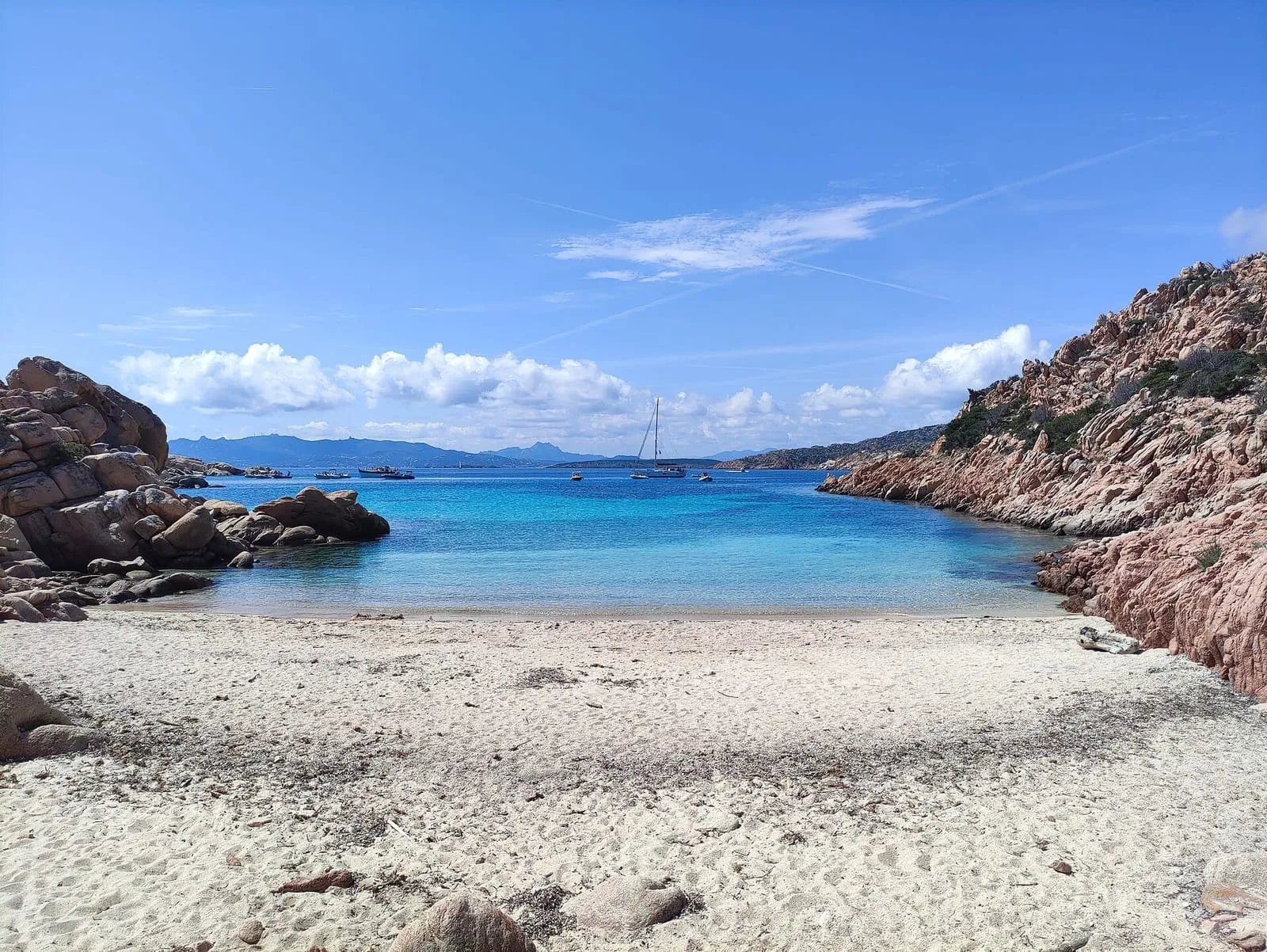
Since summer 2021, reaching the Caprera cove nicknamed “Tahiti” on foot has been regulated: an authorised park guide only, a daily quota and a booking made in advance, either through the park’s site or through a licensed guide. The path from the Caprera road runs about 3 km each way over rock, and closed shoes are compulsory. From the water, boats may still stop in the bay under the park rules. There is more in our Cala Coticcio guide.
Seagrass and anchoring
The meadows of Posidonia oceanica are the most strictly protected seabed in the park. Anchoring on them is forbidden, and the main coves have mooring buoys to use instead of the anchor. If you are running a rented RIB, drop the hook only on pale, clearly visible sand.
Sand, shells, drones, fires
- Taking away sand, shells or pebbles is forbidden and fined, on every beach in the park.
- Drones fly only with authorisation from the park authority.
- Fires and camping are banned on the smaller islands.
Insider tip: on most park beaches, sand finds its way into your towel and your shoes without you noticing. Shake everything out in the water before you climb back aboard. At a spot check the result is what counts, not the intention.
The marine park of the Bocche di Bonifacio
The Italian park forms part of the international marine park project of the Bocche di Bonifacio, alongside the Réserve naturelle des Bouches de Bonifacio on the Corsican side. The strait is a corridor for wind and current, which is why tours from Santa Teresa Gallura, which cross it first thing, feel the swell most when the maestrale (the north-west wind) gets up.
What you actually see: granite, seagrass, gulls
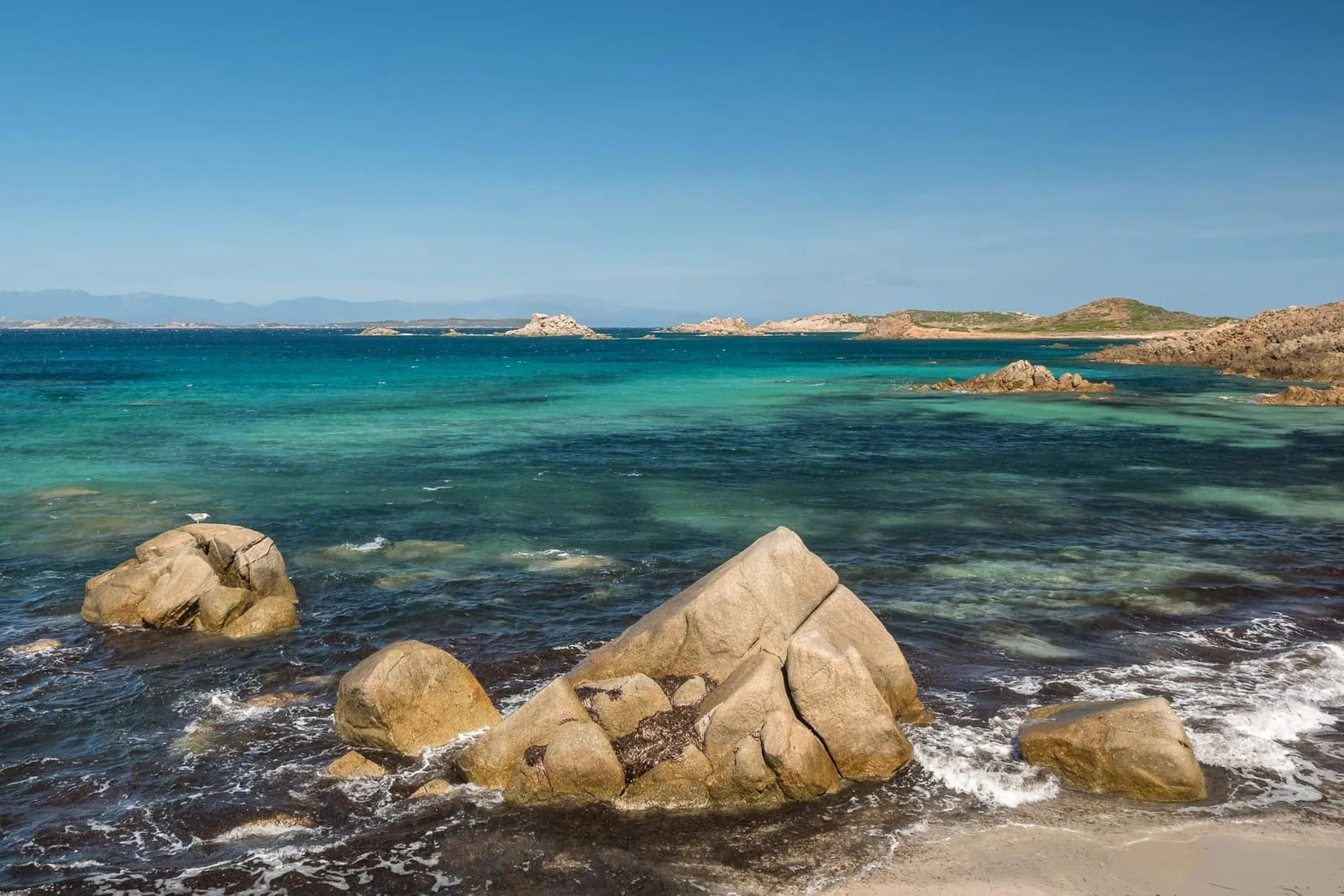
The look of the park comes from pink and grey granite worked by the wind, sculptural on Spargi and Caprera; from low scrub with junipers bent towards the south-east; and from pale seabeds of sand and seagrass meadows that give the water the colours the archipelago is known for. Gulls own the sky and the rocks. Dolphins turn up now and then during the crossing, with no guarantee at all. We do not promise sightings, and anyone who does is not being straight with you.
Ways to visit the park
| Way in | What you need | Upside | Downside |
|---|---|---|---|
| Shared tour from Palau | Ticket, cash for any contribution | No permit, 3–4 swim stops, lunch aboard on many boats | Fixed timings, crowded in August |
| Small group or catamaran | Ticket | Maximum 12 people, quieter anchorages | Costs more |
| Private tour with skipper | One booking for the boat | You pick the stops, ideal with children | Priced per boat |
| Rented RIB, no licence | Park permit, fuel, a little experience | Total freedom, up to 40 hp without a licence | The rules are on you, and so is the wind |
| Your own boat | Park permit, charts showing the zones | Several days inside the park | Buoys compulsory over seagrass, zone A to avoid |
If you have a single day, the shared tour is still the simplest answer: the crew knows the zones and the buoys, and all you have to think about is the swimming. Departures, piers and parking are covered on our page about boat trips from Palau, while charters and rentals sit on the private tours and boat hire page.
Costs: what you pay, and to whom
- On a tour: the ticket (on GetYourGuide in September 2026, from around €50–80 for the shared boats, €120 for the small-group park tour and €150–200 for the catamarans), plus any cash contribution the operator collects at check-in.
- In your own or a rented boat: the park navigation permit, priced by hull length, plus fuel. Current rates are on the park’s site. We do not reproduce them here because they change.
- On land: no entry ticket for La Maddalena or Caprera. Walking into Cala Coticcio carries a cost for the guided visit, shown by the operator or the park.
Insider tip: if you rent a RIB, buy the park permit online the evening before and save the receipt to your phone. Patrol boats do check the busier coves, and you need to produce the proof there and then.
When to go
The tour season runs from April to the end of October, with daily departures from June to September. June and September strike the best balance: sea between 20 and 23 °C, coves that are not packed, and good light for photographs of the natural pools. From 15 July to 31 August the swim stops are full and boats want booking one to two weeks ahead.
The maestrale is the variable that shapes everything. When it blows hard, trips are cancelled, and on borderline days Razzoli, the most exposed island, gets dropped from the itinerary. If you only have one day here, put the boat at the start of your stay.
The national park boat tour from Palau
The trip that explains the park best is the small-group tour with 7 stops, 7 hours out of Palau, listed at €120 on GetYourGuide with a rating of 5.0 from 157 reviews: fewer people aboard, longer in each cove, and commentary on the zones and rules as you go. Check availability and prices for the national park tour.
If you would rather spend less, the classic archipelago tour on a vintage motorboat runs 8 hours with 4 swim stops at €76, rated 4.5 from 215 reviews. To touch all the main islands in one day, look at the seven islands, seven stops speedboat trip, rated 4.7 from 187 reviews, with the price shown on the listing. Either way you get to see the Maddalena Archipelago while keeping to the park rules, without having to learn them by heart: that is the job of the person at the wheel.
Pros
- The only Italian national park made up of an entire archipelago, land and sea together
- Easy to see in a day on a boat trip from Palau, with no permit to arrange yourself
- The Porto della Madonna pools and Cala Corsara are open to every authorised boat
- Clear rules, published in full on the park authority's own site
Cons
- Spiaggia Rosa sits in zone A: no landing, you see it from the water or the fenced viewpoint
- Cala Coticcio on foot needs an authorised guide and a place in the daily quota
- In your own boat you need a paid permit, plus care with buoys: anchoring on seagrass is banned
- Fines for taking away sand or shells, even a handful
Checked on the ground
Details we verified in person or against official sources.
- The park was created by law no. 10 of 4 January 1994 and made operative by presidential decree in 1996
- Zone A, the integral reserve, includes Spiaggia Rosa on Budelli and several islets: no access at all
- Since 2021 Cala Coticcio can be walked to only with an authorised guide and a daily quota
- The small-group park tour from Palau is listed at €120 on GetYourGuide, rated 5.0 from 157 reviews
Tours we recommend for this page
Ratings and prices as published on GetYourGuide when we last checked.
-
Departure: Palau
From Palau: Maddalena National Park Boat Tour
Check dates & prices -
Departure: La Maddalena / Palau
From La Maddalena or Palau: Archipelago Boat Tour
Check dates & prices -
Departure: Palau
Boat Tour Palau + Skipper: 7 Islands 7 Stops
Check dates & prices
Frequently asked questions
How many islands are there in the Maddalena Archipelago?
Seven main islands (La Maddalena, Caprera, Spargi, Budelli, Santa Maria, Razzoli, Santo Stefano) and around 55 islets and rocks, 62 in all, with roughly 180 km of coastline.
Do you need a permit to visit the park?
Not on an organised tour: the operator holds its own authorisation, and at most asks you for a small cash contribution at check-in. In a private or rented boat, yes: the navigation permit is bought online from the park and priced by hull length.
Can you land on Spiaggia Rosa?
No. According to the Parco Nazionale dell'Arcipelago di La Maddalena, landing, swimming and walking there have been banned since 1994 after decades of sand theft. You look at it from the boat, or from the fenced viewpoint reached from Cala di Roto or Spiaggia del Cavaliere.
Can you swim at Cala Coticcio?
From the sea, yes: boats may stop in the bay under the park rules and many tours make a swim or photo stop. On foot from the Caprera road, access has been regulated since 2021, with an authorised guide, a daily quota and advance booking.
Are drones allowed in the park?
Only with authorisation from the park authority. Without it, flying is prohibited over all the islands and waters of the park.
What happens if I take a little sand home?
It is forbidden and fined, and that covers sand, shells and pebbles. The ban applies on every beach in the park, not only on Budelli.
What is the best way to see the park in one day?
A boat trip from Palau of 7–8 hours taking in Spargi, Budelli, Santa Maria and Santo Stefano with 3–4 swim stops. The small-group park tour with 7 stops is listed at €120 on GetYourGuide.